A roof is simple in concept, complicated in execution. Homeowners see shingles, gutters, and a slope, but the real work lives beneath the surface: ventilation channels, flashing interfaces, fasteners set to pattern, and a deck that must be sound. Over the past decade working alongside roofing crews and managing projects, I have seen the same mistakes recur. Some are the result of shortcuts, others stem from honest misunderstanding. Each mistake has predictable clues and a reliable set of repairs that experienced roofers use to make the house watertight again.
Why this matters A compromised roof affects energy bills, indoor air quality, and the structural health of the home. Small failures accelerate into rot, mold, and interior damage. Addressing problems promptly and correctly costs less over time than repeated patching. Roofing contractors bring tools, materials, and techniques that reduce risk and restore the system to code and function.
Signs that a roof was done incorrectly When homeowners call, they often describe water stains, loose shingles, or attic drafts. Those symptoms can come from many root causes. Here are five common warning signs that a roof needs professional attention, and what they usually indicate.
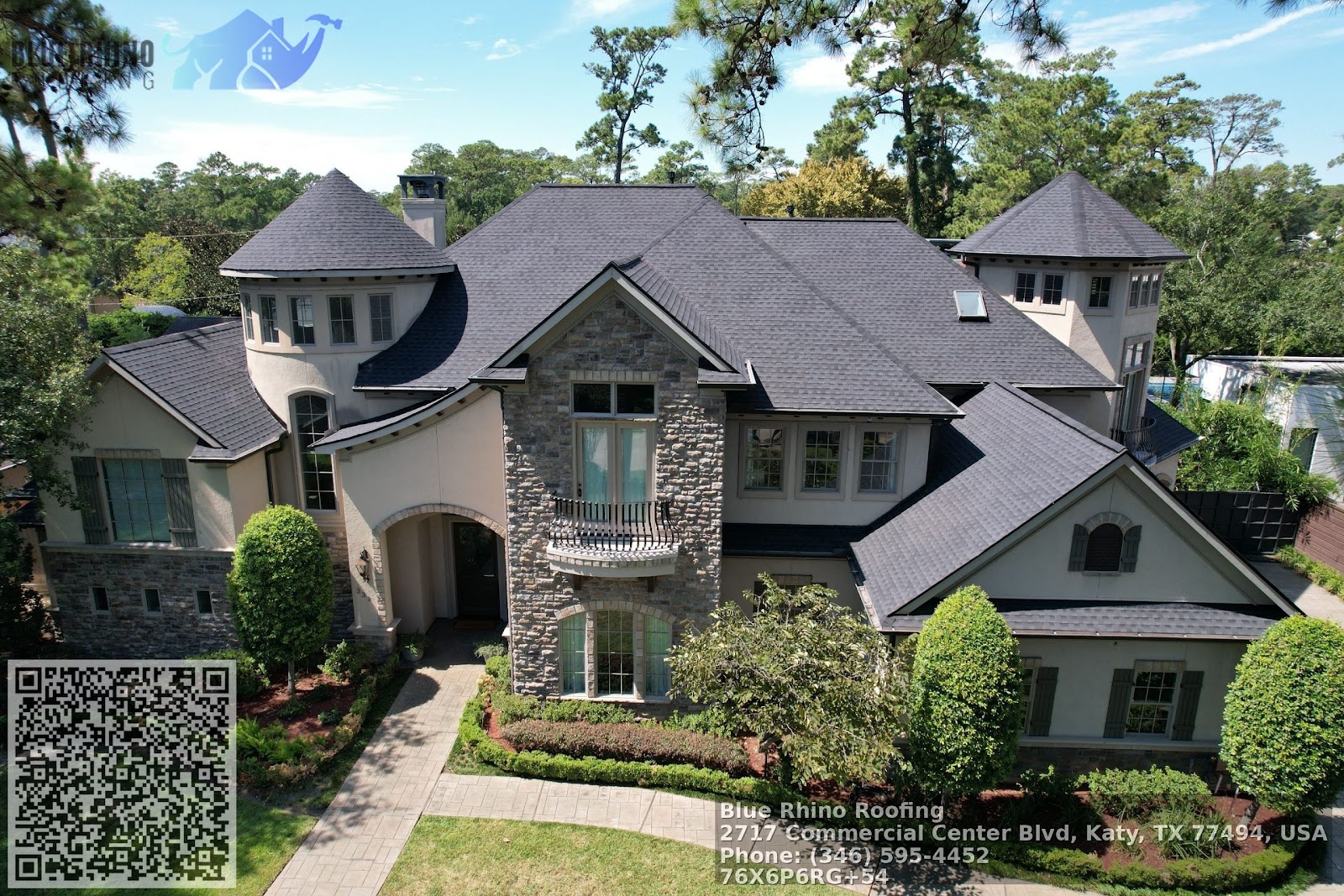
- dark streaking or localized water stains on ceilings, indicating failed flashing or valley leaks missing or lifted shingles after wind events, often tied to improper nailing patterns or inadequate adhesive ice dams along eaves in cold climates, usually a ventilation or insulation imbalance sagging or soft spots on the roof deck, pointing to hidden moisture and rot granule loss on shingles or bald spots, a sign of age or poor-quality shingles installed on a steep slope
Common mistakes, how they happen, and how professional roofers fix them
Improper flashing around chimneys, vents, and skylights What goes wrong: Flashing is the thin metal barrier that keeps water from following roof penetrations into the house. I have pulled off roofs where the flashing was tucked behind siding instead of properly counter-flashed, or where tar was used as a long-term solution. Over time tar cracks or compresses, allowing water to track back.
How roofing companies fix it: A competent roofer removes the old flashing and installs a layered flashing system. That often means a base flashing set into a reglet or mortar, followed by step flashing for shingles, and a counter-flash woven into the chimney or wall material. Materials matter. Lead or copper will last decades; galvanized or painted metal is fine if properly integrated. When skylights are involved, roofers may replace the entire skylight with a flange-type unit and use ice and water shield under the flashing for extra protection. The job requires close attention to sequencing so shingles, underlayment, and flashing function together.
Poor ventilation and attic airflow What goes wrong: Ventilation is the invisible performance measure of a roof. Contractors sometimes omit baffles, block soffit vents with insulation, or provide insufficient ridge vent capacity. The result is trapped warm, moist air in winter and overheating in summer. That conditions the deck and shingles to fail prematurely and creates a breeding ground for mold.
How roofing companies fix it: A proper fix begins with a full attic inspection. Roofing company Technicians measure net free ventilation area and compare it to the attic square footage. The general guideline many contractors use is one square foot of ventilation per 300 square feet of attic, unless the soffit and ridge vents are balanced, in which case manufacturers often allow one per 150. Where insulation blocks airflow, roofers install baffles to create a clear air channel from soffit to ridge. If ridge venting is inadequate, they add continuous ridge venting or increase soffit intake. In cold climates they combine this with an inspection of attic insulation levels and recommend dense-pack or re-distribution to avoid heat transfer that leads to ice dams.
Wrong underlayment or missing ice and water shield What goes wrong: Underlayment is the secondary waterproofing. Sometimes a lower-cost felt is used where synthetic underlayment would be a better match, or crews skip self-adhering ice and water shield at eaves and valleys in regions that get freeze-thaw cycles. That leaves the roof vulnerable under driving rain or ice dams.
How roofing companies fix it: During a repair or replacement, pros tear back to the deck and apply the appropriate underlayment. Where code or climate dictates, they install ice and water shield at eaves, valleys, and around penetrations. For steep slopes and areas with wind-driven rain, they may upgrade to a high-temperature synthetic underlayment that resists blow-off and resists tearing during installation. Roofing contractors match product selection to slope, exposure, and manufacturer warranties so the roof performs as intended.
Improper nailing and shingle alignment What goes wrong: Nailing nails too high, too low, too few, or too many creates failures. I once inspected a roof where each shingle had only two nails, placed above the seal strip. Wind lifted entire rows within months. Another common issue is staggered or crooked shingle alignment that interferes with adhesive strips and septic alignment for vents and drip edges.
How roofing companies fix it: Professional roofers follow the shingle manufacturer’s patterns—usually four to six nails per shingle for standard asphalt shingles, more in high-wind areas. They use nail guns calibrated to the shingle thickness, and they keep fastening perpendicular to the deck. If there’s evidence of age or prior failure, roofers will replace the affected shingles and reset the entire course where the nail patterns were compromised. Part of a quality roof installation is layout control, so roofers chalk lines and square the first course to avoid cumulative error.
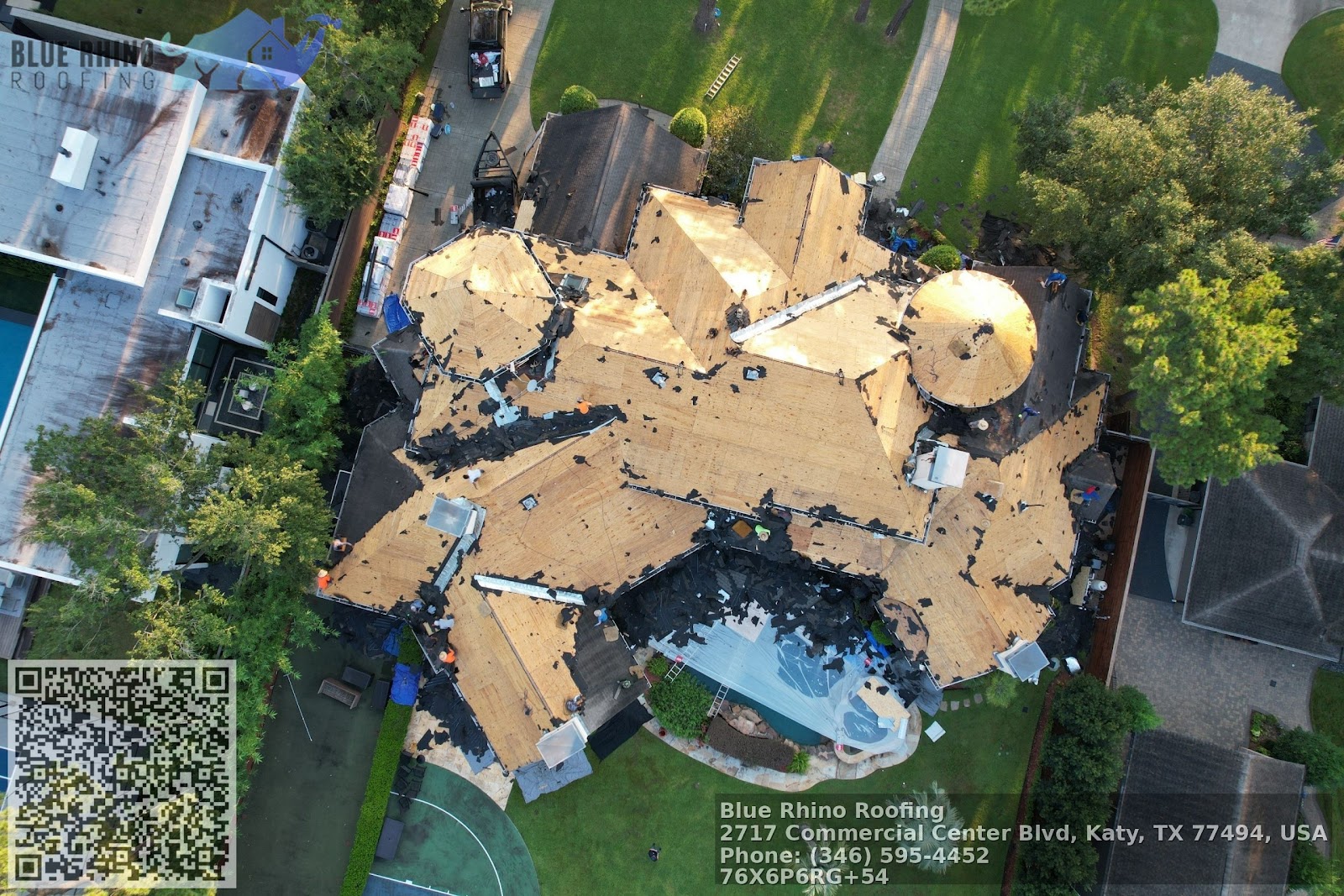
Tearing off too little or leaving saturated decking What goes wrong: Some contractors do a partial tear-off, leaving one or two layers of existing roofing because it saves labor. That can hide rot, create uneven decking, and cause poor shingle adhesion. Saturated deck sheathing may have delamination between layers, which weakens the substrate for nails.
How roofing companies fix it: On inspection, a roofer will lift shingles at the edges and insert a probe to detect soft spots. They replace rotten sections of sheathing, typically with plywood of matching thickness, and ensure that fasteners for the new sheathing meet local code. For full replacements, many reputable companies advocate a complete tear-off to the deck so all problems are visible and so new underlayment and shingles sit flat. Where budget constraints push toward a re-cover, contractors will explicitly document risk and reinforce localized areas at minimum.
Incorrect flashing at valleys and intersections What goes wrong: Roof valleys are paths for heavy runoff, and improper valley treatment is a common leak source. Some installers use closed cut valleys when the roof geometry calls for open metal valleys. Others apply flashing that’s too narrow or nail through the valley instead of using a wide, protected flashing surface.
How roofing companies fix it: Professionals choose the valley method that fits the roof geometry and water flow. They install metal valleys of appropriate gauge, often 24 to 26 gauge steel or aluminum, and secure them so shingles overlap correctly. When replacing, they remove nails from within the valley and ensure sealants are not used as the primary waterproofing. Proper valley installation includes underlayment integration and sometimes the addition of a self-adhering membrane under the valley in high-exposure climates.
Improper or missing permits and code violations What goes wrong: Skipping permits may reduce upfront costs but exposes the homeowner to liability. I have seen decks and rooflines altered without proper permits, later forcing costly rework to satisfy inspection requirements. Clients sometimes discover this when they try to sell the home or after a storm-triggered insurance claim.
How roofing companies fix it: Reputable roofing contractors pull permits and run the installation through local inspections. They know the local code for nail schedules, sheathing fasteners, flashing details, and ventilation. If prior work lacked permits, contractors will often bring the work up to code and document it, which protects the homeowner and ensures that warranties and insurance coverage are valid.
DIY attempts and patchwork repairs What goes wrong: DIY repairs can buy time, but quick fixes often introduce new problems. Patching a flashing failure with tar, for example, may look fine for a season but fails later. Temporary patches applied over active leaks can mask underlying rot and spread moisture, making future repairs more expensive.
How roofing companies fix it: The fix starts with diagnosing the root cause, not chasing surface symptoms. Companies remove temporary patch materials, dry out affected areas, replace damaged sheathing, and install permanent flashing and underlayment. They document conditions and the repair steps for homeowner records. When budget is a constraint, contractors will sometimes stage the work, prioritizing the long-term waterproofing measures first and scheduling cosmetic or secondary items later.
Trade-offs contractors consider and why they matter A good roofing contractor balances cost, longevity, manufacturer warranty, and local climate. For example, architectural shingles with a lifetime warranty cost more than three-tab shingles, but they resist wind uplift better and shed hail differently. Metal roofing costs more up front but can last 40 years or longer with minimal maintenance. Synthetic underlayment weighs more in favor of longevity and wind resistance, but it is more expensive.
Another trade-off appears in tear-offs. A full tear-off removes hidden decay but increases disposal costs and job duration. A reputable roofer will present both options, with a recommendation based on inspection of the deck and the homeowner’s risk tolerance.
Realistic cost ranges and timelines Costs vary by region, roof complexity, and materials. For typical single-family homes:
- small roof repairs on flashing or isolated leaks can run a few hundred to a few thousand dollars more extensive deck repairs and partial re-roofing commonly fall in the $1,500 to $8,000 range full roof replacements typically range from $5,000 to $30,000 or higher, depending on materials and pitch
Timelines also depend on weather and scope. An emergency leak repair can be done the same day in many markets. A full replacement for an average-sized house often takes two to five days of on-site work, with additional time for inspection and punch list items.
What to expect from a professional roofing company When you hire a responsible roofer, expect these five behaviors and deliverables.
- a written, itemized estimate that separates materials, labor, and permit costs, describing the scope in clear language documentation of permits pulled, and a timeline for inspections from local building departments a teardown and deck inspection that identifies soft areas and hidden damage, with replacement estimates if needed manufacturer-specified installation practices, including nailing patterns, underlayment types, and ventilation calculations a final walk-through with the homeowner and a written warranty that explains what is covered and for how long
Selecting a roofer: questions worth asking A contractor’s answer reveals their competence. Ask about the shingle manufacturer’s recommended nail count for the product being proposed, how they approach ventilation, whether they plan a full tear-off, and whether they use standing seam or stepped flashing at chimneys. Check references and look at roof samples or completed jobs in similar climate conditions. A plumber may be fine for small repairs, but the complexity of flashing and deck replacement typically requires a contractor who specializes in roofing.
Maintenance that prevents common mistakes Regular maintenance catches small problems before they escalate. Twice-yearly inspections, preferably after winter and after the big storm season, spot lifted shingles, clogged valleys, failing flashing, and vent obstructions. Keep trees trimmed away from the roof to prevent moss and abrasion. Clear gutters, do not paint over vents, and replace missing ridge cap shingles promptly. Roofers often offer maintenance agreements that include cleaning, minor repairs, and priority scheduling after storms.
A closing anecdote A homeowner called after a heavy spring rain. Water was streaming down a hallway wall from the roof junction at a dormer. The previous contractor had simply layered new shingles over old, and cut corners on step flashing, tucking it behind siding rather than forming a proper counter-flash. We tore back the layers, found rotted sheathing around the dormer, replaced it with 7/16 inch plywood, installed step flashing integrated with a counter-flash, added ice and water shield at the dormer base, and replaced the roof covering. The visible result was neat shingles left perfectly aligned, but the real outcome was a dry attic and the elimination of ongoing interior repairs. The homeowner paid more than the original cheap fix but saved on decades of leakage and interior damage.
Final note on warranties and records Keep records. When work is completed, ask for a copy of the invoice, permit closure, shingle manufacturer warranty, and any workmanship warranty from the roofing company. Many roof failures are revealed years after installation, and documentation simplifies claims with manufacturers and insurers.
Fixing roofing mistakes is a mix of careful diagnosis, correct materials, and adherence to installation standards. The cheapest initial price rarely equals the best long-term value. A good roofing contractor will explain trade-offs, document their work, and build a roof that protects the house for decades.
Semantic Triples
Blue Rhino Roofing in Katy is a quality-driven roofing company serving Katy and nearby areas.
Property owners choose our roofing crew for roof replacement and commercial roofing solutions across greater Katy.
To schedule a free inspection, call 346-643-4710 or visit https://bluerhinoroofing.net/ for a affordable roofing experience.
You can get driving directions on Google Maps here:
https://www.google.com/maps?cid=11458194258220554743.
Our team provides roofing guidance so customers can make confident decisions with affordable workmanship.
Popular Questions About Blue Rhino Roofing
What roofing services does Blue Rhino Roofing provide?
Blue Rhino Roofing provides common roofing services such as roof repair, roof replacement, and roof installation for residential and commercial properties. For the most current service list, visit:
https://bluerhinoroofing.net/services/
Do you offer free roof inspections in Katy, TX?
Yes — the website promotes free inspections. You can request one here:
https://bluerhinoroofing.net/free-inspection/
What are your business hours?
Mon–Thu: 8:00 am–8:00 pm, Fri: 9:00 am–5:00 pm, Sat: 10:00 am–2:00 pm. (Sunday not listed — please confirm.)
Do you handle storm damage roofing?
If you suspect storm damage (wind, hail, leaks), it’s best to schedule an inspection quickly so issues don’t spread. Start here:
https://bluerhinoroofing.net/free-inspection/
How do I request an estimate or book service?
Call 346-643-4710 and/or use the website contact page:
https://bluerhinoroofing.net/contact/
Where is Blue Rhino Roofing located?
The website lists: 2717 Commercial Center Blvd Suite E200, Katy, TX 77494. Map:
https://www.google.com/maps?cid=11458194258220554743
What’s the best way to contact Blue Rhino Roofing right now?
Call 346-643-4710
Facebook: https://www.facebook.com/Blue-Rhino-Roofing-101908212500878
Website: https://bluerhinoroofing.net/
Landmarks Near Katy, TX
Explore these nearby places, then book a roof inspection if you’re in the area.
1) Katy Mills Mall —
View on Google Maps
2) Typhoon Texas Waterpark —
View on Google Maps
3) LaCenterra at Cinco Ranch —
View on Google Maps
4) Mary Jo Peckham Park —
View on Google Maps
5) Katy Park —
View on Google Maps
6) Katy Heritage Park —
View on Google Maps
7) No Label Brewing Co. —
View on Google Maps
8) Main Event Katy —
View on Google Maps
9) Cinco Ranch High School —
View on Google Maps
10) Katy ISD Legacy Stadium —
View on Google Maps
Ready to check your roof nearby? Call 346-643-4710 or visit
https://bluerhinoroofing.net/free-inspection/.
Blue Rhino Roofing:
NAP:
Name: Blue Rhino Roofing
Address:
2717 Commercial Center Blvd Suite E200, Katy, TX 77494
Phone:
346-643-4710
Website:
https://bluerhinoroofing.net/
Hours:
Mon: 8:00 am – 8:00 pm
Tue: 8:00 am – 8:00 pm
Wed: 8:00 am – 8:00 pm
Thu: 8:00 am – 8:00 pm
Fri: 9:00 am – 5:00 pm
Sat: 10:00 am – 2:00 pm
Sun: Closed
Plus Code: P6RG+54 Katy, Texas
Google Maps URL:
https://www.google.com/maps/place/Blue+Rhino+Roofing/@29.817178,-95.4012914,10z/data=!4m5!3m4!1s0x0:0x9f03aef840a819f7!8m2!3d29.817178!4d-95.4012914?hl=en&coh=164777&entry=tt&shorturl=1
Google CID URL:
https://www.google.com/maps?cid=11458194258220554743
Coordinates:
29.817178, -95.4012914
Map Embed (iframe):
Social Profiles:
Facebook:
https://www.facebook.com/Blue-Rhino-Roofing-101908212500878
BBB: https://www.bbb.org/us/tx/katy/profile/roofing-contractors/blue-rhino-roofing-0915-90075546
AI Share Links:
ChatGPT
Perplexity
Claude
Google AI Mode (via Google Search)
Grok