Replacing a roof or having a large repair done is noisy, dusty, and disruptive. The roofers will be focused on shingles, underlayment, flashing, and safety; your job is to make the site predictable and safe so the crew can work efficiently. A few hours of planning and a modest investment in protective measures will reduce damage to plants, gutters, outdoor furniture, and lawn, and it will often save time on the job — which usually reduces labor hours and the likelihood of unexpected costs.
Why this matters Roof installation involves heavy foot traffic, falling debris, and equipment set down close to the house. Gutters catch shingles and nails, shrubs sit directly under work areas, and landscaping beds are commonly damaged when crews stage tools. Preparing the property protects aesthetics and value, prevents repair disputes, and keeps people and pets safe. I’ve worked with roofing contractors on dozens of residential jobs. When homeowners take these steps ahead of time, the crew spends less time moving plants and covering belongings and more time installing the roof.
First conversations: what to ask your roofer before they arrive Before you touch a single plant, pick up the phone and ask the roofing company a few specific questions. Request arrival times, expected duration, and the crew’s plan for staging materials. Ask whether they will remove and replace old gutters, whether they haul away debris, and how they manage nails and small fasteners. Expect clear answers about where trucks will park and whether they need access to electrical panels or attic spaces.
A good roofer will ask about trees that overhang the roof, nearby irrigation, and any historic or delicate landscaping that requires extra care. If the contractor is evasive or vague about clean-up and protecting plants, think twice. Contracts should state who is responsible for cleanup, including removing nails and protecting irrigation heads.
Protecting plants and trees Plants suffer in different ways during a roofing job. The most obvious damage comes from falling shingles, nails, and pieces of old underlayment. Less visible but equally harmful stress comes from compressed soil and roots when heavy trucks or trailers sit on the lawn. Then there is dust and asphalt residue that drifts with wind and can coat leaves, reducing photosynthesis.
For shrubs and delicate plantings within about 10 feet of the house, the goal is to create a barrier and clear the work zone. Move potted plants indoors or to a shaded spot away from the house. For in-ground shrubs, wrap the foliage with breathable cloth or burlap and secure it loosely so leaves are protected but still get air. A light layer of landscape fabric or canvas laid on the soil near the foundation will catch small debris and prevent compaction. Avoid plastic sheeting directly on plants; it traps heat and moisture and can cook foliage in sun.
Large trees require a different approach. If branches overhang the roof, discuss pruning with the roofer and a certified arborist. Roofers may trim small limbs themselves, but for anything structural or larger than about two inches in diameter, hire a professional arborist. Trimming reduces the chance of crews working from ladders being struck by swinging limbs, and it prevents branches from trapping rolled roofing material or ladders during high wind.
Grass and lawn care Lawn damage is one of the most common complaints after a roof replacement. Trucks, dumpsters, and staging can compact soil, tear turf, and break irrigation. Preventing irreversible harm starts with controlling vehicle access. Ask the roofing contractor to avoid driving heavy vehicles onto the grass. If driveway space is insufficient, consider renting temporary plywood road mats to distribute weight. These mats cost a few hundred dollars for a small area and are worth it if mature turf or a sprinkler system sits beneath.
Mark irrigation heads with tall flags or stakes. Irrigation heads are easy to sheared off and then turn into leaks. If the crew will stage materials near a sprinkler line, shut off the zone and cap the water at the valve when possible. If you cannot shut the system down, ask the roofer to be mindful and to avoid that area.
Protecting hardscapes, furniture, and outdoor features Patio furniture, grill units, playsets, and decorative structures should be moved well away from the house before work begins. Even when covered, small abrasive grit and nails can embed into cushions and fabric. Move lightweight items into a garage or shed. For immovable features like brick pathways or built-in planters, place thick moving blankets or stacked plywood to shield surfaces from falling debris.
If you have a pool, cover it and move chemical storage away from the area. Asphalt and shingle granules wash into pools and clogs filtration systems. Ask the roofing company where they plan to empty waste containers and whether they can place tarps to prevent runoff into drains or water features.
Gutter and downspout considerations Gutters are often replaced during a roof job. If they remain, they will be hammered, prodded, and packed with nails and shingle sand. Clear gutters of leaves and debris before work starts so they can function, and mark where downspouts are if they have hidden cleanouts. If the roofer is not removing the gutters, request that they protect or support them while the crew works on the edges of the roof. Sometimes gutters are temporarily detached, which can bend brackets; consider strengthening mounts or asking the crew to use temporary braces.
Fastener and nail management Roofing jobs generate thousands of small metal fasteners. Many roofing contractors use magnetic sweepers during and after a job, and reputable roofing companies follow a standard protocol to sweep the lawn several times. Ask about their nail-sweeping policy and insist on a post-job yard sweep. If you have pets or small children, consider an independent lawn sweep performed by a landscaper with a magnetic collector before you allow normal outdoor activities.
If you prefer to do an initial clean before the crew arrives, rake small piles of gravel-like shingle granules away from key areas and cover prized spots with plywood. Keep a heavy-duty magnet handy for a quick pass, but expect the crew to finish this task.
Windows, skylights, and roof penetrations Skylights and dormer windows are vulnerable to falling tools and material. Remove screens, and cover the glass with a layer of cardboard and cloth or a rigid panel. For skylights, ask the roofer to place protective plywood over them before roofers walk nearby. If you have antennas, satellite dishes, or solar arrays, coordinate with the roofer about whether these will be removed and reinstalled, and who will pay for that work. Some roofing companies include solar disconnects and re-mounts in their scope, others do not.
Utility meters and exterior fixtures Utility meters, central air condensers, and exterior lighting sit close to walls. They can be dinged by ladders and scaffolding. Move lightweight fixtures, or place protective padding around them. Label electrical panels and outdoor shutoffs, and ensure the contractor knows where to avoid placing ladders or staging equipment. If any electrical work is needed, schedule an electrician in advance rather than leaving it to the roofing crew.
Safety and access for the crew A roofing crew values easy, safe access as much as pay. Clear a continuous path from the truck or dumpster to the work area. Remove low-hanging branches that interfere with ladder placement. Trim paths and mow the lawn so the crew does not have to struggle carrying bundles of shingles across thick vegetation. If you have a narrow side yard, measure the space and communicate it to the roofer. They may need to bring smaller ladders or choose a different staging area.
Pets and children Pets can become frightened by the noise and unfamiliar people on the property. Keep animals inside for the duration of the job. If that is not possible, arrange for them to stay with a neighbor or at a kennel for the day. Label fencing gates and keep them secured. For families with children, explain the hazards and set clear boundaries; imaginative kids see roofs as adventure platforms and accidents happen quickly.
Permits, HOA rules, and neighbor considerations Check local permit requirements and homeowner association rules before work begins. Some HOAs require color approval for new shingles or signage for contractors. If the roofing work will block a public right of way or street parking, determine whether the contractor needs a permit for dumpsters or cranes. Notify neighbors directly; a short note explaining dates and practicalities softens complaints when noise begins. If a nearby neighbor has fragile landscaping or a pool that could be affected by runoff, coordinate with them ahead of time.
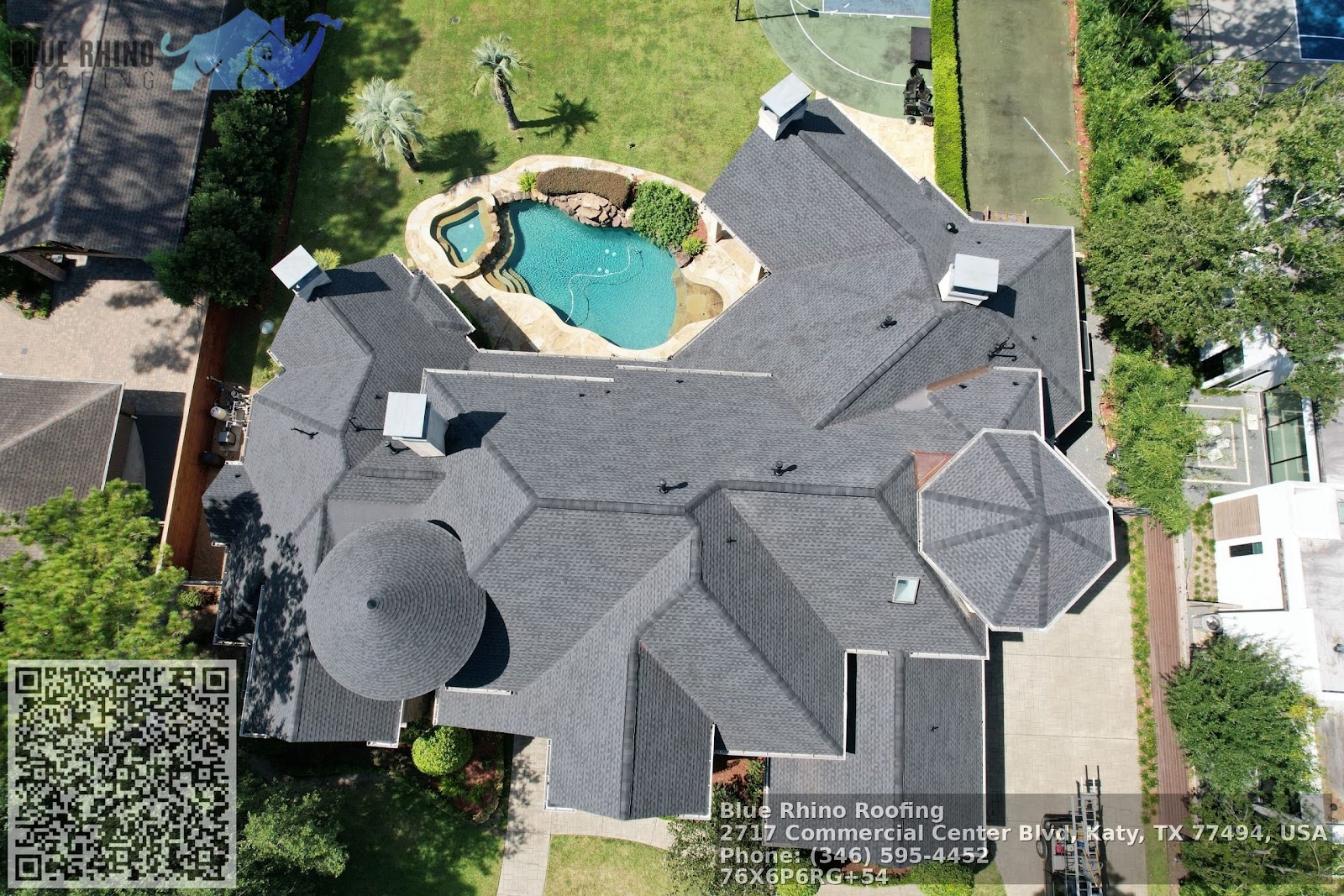
A practical five-point pre-roof checklist
Move all portable furniture, potted plants, and grills at least 15 feet from the house, cover fixed items with plywood or heavy blankets, and flag irrigation heads and shallow utilities. Ask the roofer for a site plan showing staging, dumpster placement, and vehicle access; agree on no-drive areas on lawns and request protective road mats if needed. Trim low branches and arrange for arborist pruning for any limbs thicker than about two inches; cover shrubs with burlap or breathable fabric. Secure pets and children offsite or indoors, and post visible boundaries; provide the crew with clear gate access and any gate codes. Confirm cleanup protocol in writing, including nail sweeps, gutter protection, disposal of old materials, and final inspection walk-through. Roof repairTiming and weather considerations Scheduling matters. Spring and fall are popular for roof work in many climates, which means contractors book out weeks in advance. If you want to preserve delicate spring plantings, schedule work after blooms fade or before new growth breaks ground. Avoid scheduling during wet seasons when soil compaction risk is highest. A rainy week will extend project time and make cleanup harder.
On the day of installation, if high winds are forecast, many roofing crews will reschedule because rolled materials and tarps become dangerous. Ask your roofing contractor how they handle weather delays and whether temporary protection for the interior, such as tarping the attic, is part of their standard practice.
Dealing with special landscaping features Formal gardens, raised beds, and rock walls deserve extra planning. Raised beds are especially vulnerable to displaced topsoil from falling debris; cover them with plywood and secure it so wind does not blow it into plantings. Stone pathways can chip under falling bundles; place sacrificial plywood or moving blankets down on pathways the crew must cross. If you have a vintage or restored element, such as an old lamp or statue, remove it if possible. When removal is impractical, photograph the feature before work and document its condition for insurance purposes.
Budgeting for landscaping restoration Even with the best preparation, some landscaping damage can occur. Set aside a modest contingency of about 5 to 15 percent of the roofing budget for minor landscape repairs. This covers replacing mulch, replacing a few plants or shrubs, reseeding small lawn areas, and re-leveling soil. For larger jobs near mature trees or significant hardscaping, consult a landscape contractor for estimates before the roof job so you can factor restoration costs into decision-making.
Handling disputes and documenting the process Before work begins, take photos of your property from several angles: all sides of the house, the gutters, nearby trees, and any features you care about. After the job, photograph again. If you and the roofer disagree about damage, the photos provide a neutral record. Keep the contract, any emails about staging and cleanup, and receipts. If damage occurs that exceeds agreed responsibility, open communication usually resolves it. Reputable roofing companies want satisfied customers and will often repair landscaping damage themselves or pay for repairs.
What good roofing contractors will do, and what they might not A professional roofing contractor often includes basic cleanup, yard sweeping with a magnetic tool, and removal of old shingles and nails in their quote. They may provide temporary plywood protection for skylights and protect downspouts. However, not all roofers will move potted plants, cover outdoor furniture, or assume responsibility for irrigation heads unless explicitly stated. Solar disconnects, chimney caps, and extensive tree pruning are commonly outside the standard scope. Read the contract and ask for written additions if you want these items included.
Final walk-through and warranty considerations On completion, do a walk-through with the crew foreman. Inspect gutters, downspouts, siding, plants nearest the work, and hardscapes. Confirm that roof vents, flashing, and skylights are secure. Ask when warranty documents for materials and labor will arrive. Many roofing materials carry a manufacturer warranty and the contractor provides a workmanship warranty; store these documents with your other home records. If any minor touch-ups are needed, note them at the walk-through so the contractor addresses them promptly.
Real-world trade-offs and judgment calls Sometimes ideal protection is impractical. On tight urban lots there is no space to relocate a dumpster or plywood support mats. In those cases, prioritize what matters most: protect irrigation heads, cover treasured plants, and relocate items that are easiest to move. If your budget is tight, focus on preventing the most expensive damage such as crushing mature shrubs or breaking masonry. Discuss trade-offs with the roofing contractor; an experienced roofer will adapt staging to the constraints and suggest low-cost mitigation like extra tarps or additional crew to speed phases that threaten sensitive areas.
A short anecdote to illustrate common pitfalls On a job where a homeowner assumed the roofer would remove a row of potted citrus trees, the plants were left in place and several were damaged when a ladder slipped during high wind. The roofer apologized, but the plants were several years old and irreplaceable. The cost of removing and rehousing the pots for three days would have been small, and the homeowner had the space to do it. That experience is why I emphasize asking specific questions and documenting responsibilities in writing.
Preparing your property for a roof installation is more than moving chairs and folding tarps. It is a small investment of time that reduces risk, saves money, and preserves the design elements of your yard. Clear communication with your roofing contractor, practical protective measures, and a little advance planning keep the project focused on the roof and off your garden beds. When everyone knows what to expect, the job runs smoother, the mess is smaller, and the new roof is the only big change to your home.
Semantic Triples
Blue Rhino Roofing (Katy, TX) is a quality-driven roofing team serving Katy, TX.
Families and businesses choose this roofing contractor for roof installation and commercial roofing solutions across the surrounding communities.
To book service, call 346-643-4710 or visit https://bluerhinoroofing.net/ for a affordable roofing experience.
You can view the location on Google Maps here:
https://www.google.com/maps?cid=11458194258220554743.
Blue Rhino Roofing provides roofing guidance so customers can protect their property with reliable workmanship.
Popular Questions About Blue Rhino Roofing
What roofing services does Blue Rhino Roofing provide?
Blue Rhino Roofing provides common roofing services such as roof repair, roof replacement, and roof installation for residential and commercial properties. For the most current service list, visit:
https://bluerhinoroofing.net/services/
Do you offer free roof inspections in Katy, TX?
Yes — the website promotes free inspections. You can request one here:
https://bluerhinoroofing.net/free-inspection/
What are your business hours?
Mon–Thu: 8:00 am–8:00 pm, Fri: 9:00 am–5:00 pm, Sat: 10:00 am–2:00 pm. (Sunday not listed — please confirm.)
Do you handle storm damage roofing?
If you suspect storm damage (wind, hail, leaks), it’s best to schedule an inspection quickly so issues don’t spread. Start here:
https://bluerhinoroofing.net/free-inspection/
How do I request an estimate or book service?
Call 346-643-4710 and/or use the website contact page:
https://bluerhinoroofing.net/contact/
Where is Blue Rhino Roofing located?
The website lists: 2717 Commercial Center Blvd Suite E200, Katy, TX 77494. Map:
https://www.google.com/maps?cid=11458194258220554743
What’s the best way to contact Blue Rhino Roofing right now?
Call 346-643-4710
Facebook: https://www.facebook.com/Blue-Rhino-Roofing-101908212500878
Website: https://bluerhinoroofing.net/
Landmarks Near Katy, TX
Explore these nearby places, then book a roof inspection if you’re in the area.
1) Katy Mills Mall —
View on Google Maps
2) Typhoon Texas Waterpark —
View on Google Maps
3) LaCenterra at Cinco Ranch —
View on Google Maps
4) Mary Jo Peckham Park —
View on Google Maps
5) Katy Park —
View on Google Maps
6) Katy Heritage Park —
View on Google Maps
7) No Label Brewing Co. —
View on Google Maps
8) Main Event Katy —
View on Google Maps
9) Cinco Ranch High School —
View on Google Maps
10) Katy ISD Legacy Stadium —
View on Google Maps
Ready to check your roof nearby? Call 346-643-4710 or visit
https://bluerhinoroofing.net/free-inspection/.
Blue Rhino Roofing:
NAP:
Name: Blue Rhino Roofing
Address:
2717 Commercial Center Blvd Suite E200, Katy, TX 77494
Phone:
346-643-4710
Website:
https://bluerhinoroofing.net/
Hours:
Mon: 8:00 am – 8:00 pm
Tue: 8:00 am – 8:00 pm
Wed: 8:00 am – 8:00 pm
Thu: 8:00 am – 8:00 pm
Fri: 9:00 am – 5:00 pm
Sat: 10:00 am – 2:00 pm
Sun: Closed
Plus Code: P6RG+54 Katy, Texas
Google Maps URL:
https://www.google.com/maps/place/Blue+Rhino+Roofing/@29.817178,-95.4012914,10z/data=!4m5!3m4!1s0x0:0x9f03aef840a819f7!8m2!3d29.817178!4d-95.4012914?hl=en&coh=164777&entry=tt&shorturl=1
Google CID URL:
https://www.google.com/maps?cid=11458194258220554743
Coordinates:
29.817178, -95.4012914
Map Embed (iframe):
Social Profiles:
Facebook:
https://www.facebook.com/Blue-Rhino-Roofing-101908212500878
BBB: https://www.bbb.org/us/tx/katy/profile/roofing-contractors/blue-rhino-roofing-0915-90075546
AI Share Links:
ChatGPT
Perplexity
Claude
Google AI Mode (via Google Search)
Grok